


I was just pondering on a post to tie in research about the positive impact of reminiscence for seniors and child development when I stumbled on this daily writing prompt.
Apart from the micro-level impact of reminiscence for these two age profiles that tend to receive a lot of attention in social services, there is a mezzo-level reason that answers the January writing prompt (I’m almost two months late, I know):
A life story shared builds connections, and connections can foster community.
Hence I would say that the greatest gift that someone can give me, is their life story- with all its ‘ordinary’ events, glories and vulnerabilities.
Reminiscence for Seniors
Numerous studies have attributed reminiscence for improving the psychological well-being of seniors, with the largest effect size centred around life reviews (Bohlmeijer et al., 2007).
A few reasons were listed (summarised in my own words):
- Focuses on systematic milestones (events, decisions etc.). Participants are supported to reflect on the meaning of these milestones and come to terms with any conflicts or incongruities.
- Both positive and negative milestones are then integrated into an overarching narrative with meaningful labels.
- Intentional exploration of negative experiences might first contribute to negative affect, but the end-result of equanimity with self and these experiences might have a larger impact on psychological well-being.
This evidence is particularly striking because psychology teaches us that as humans, we are consciously or sub-consciously weaving narratives about ourselves and the world. The story that we tell ourselves about ourselves and the world has much bearing on our psychological states.
For example, narrative therapy- in essence, it helps a person resolve their issues by facilitating ‘re-authoring’ of their narratives. Oftentimes, these issues are interpersonal in nature. Being able to re-author a narrative in a way that moves from an isolating narrative to a connecting narrative can be very powerful for both the individual and his/her community.
A simplistic illustration can be this isolating narrative of “No one really likes the real me. I cannot show the real me to people.” Because of this narrative that permeates all the social interactions of the individual, he/she can come across as guarded or they may even hurt others unintentionally because of an overwhelming push to avoid getting hurt. Through narrative therapy, a more connecting narrative can be: “The real me is precious and I can slowly reveal more of myself to people who have earned my trust over time.” This can promote unlearning of old disconnecting behaviours and practicing of behaviours that promote connections, which can feedback to the unfolding narrative that build connections and community.
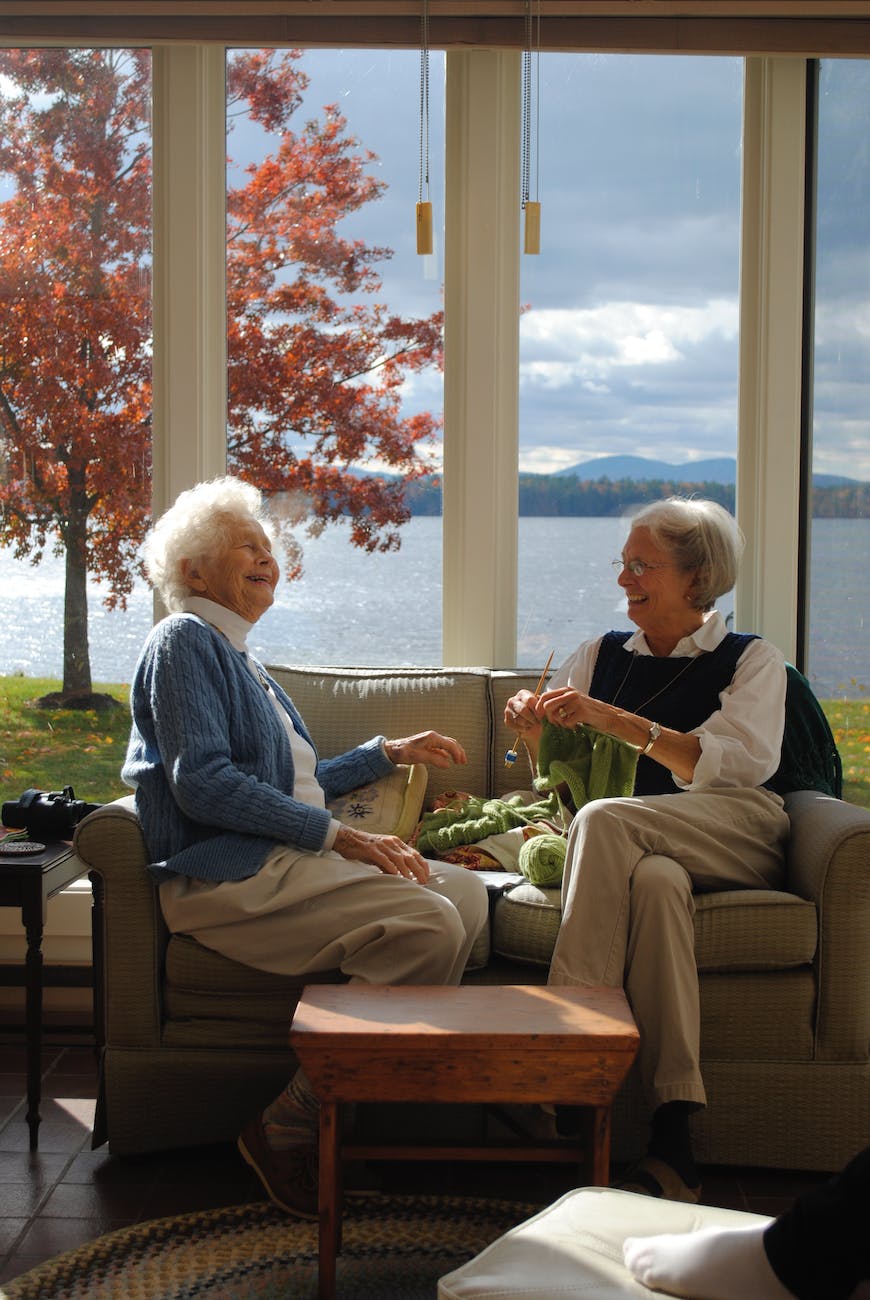
Having observed and facilitated reminiscence activities for seniors, I attest to its potential in building connections- be it through shared experiences in life stories with other seniors or sharing autobiographical history with the next generation. This is not nostalgia as in wistful desire to return to the past, but weaving connections in the present through eliciting past memories.
Interestingly, while reminiscence for seniors was my starting point, I found out that reminiscence benefits children too.
Reminiscence for Children
Wu and Jobson (2019) found that reminiscing in young children supported by their mothers, promoted the child’s autobiographical memory development. Autobiographical memory refers to memories of events that one has personally experienced and that are relevant to one’s life. It is important for self-identity development, sustaining interpersonal relationships, and aiding emotional regulation.
Specifically, children’s ability to recount events from memory in a detailed manner is associated with a high-elaborative reminiscing style in their mothers. This involves use of open-ended questions to elicit further details from their children’s recount of events, affirmations that communicate that the child’s input to the discussion is valued, and sharing specific details about the events in the conversation.
There is strong evidence that positive child development in the area of autobiographical memory is linked to the ‘ordinary’ interactions with their mothers. Being supported to share about seemingly mundane events that happened for a young child who is still learning about the world and hearing positive feedback from one’s sharing are two key elements to support memory development. While not covered in this meta-analytic review, this applies to all primary caregivers of children.
Connecting this piece of evidence back to the idea of self-narratives mentioned before, I strikes me as essential that we invite and cultivate the sharing of life stories across all ages. Through the process of active listening (asking questions to elicit details, reflecting positive regard) to the life stories of others, we can nourish them while also promoting positive connections.
Promote positive connections and well-being by listening to someone share about their day today 😊
 Social Working, Everything