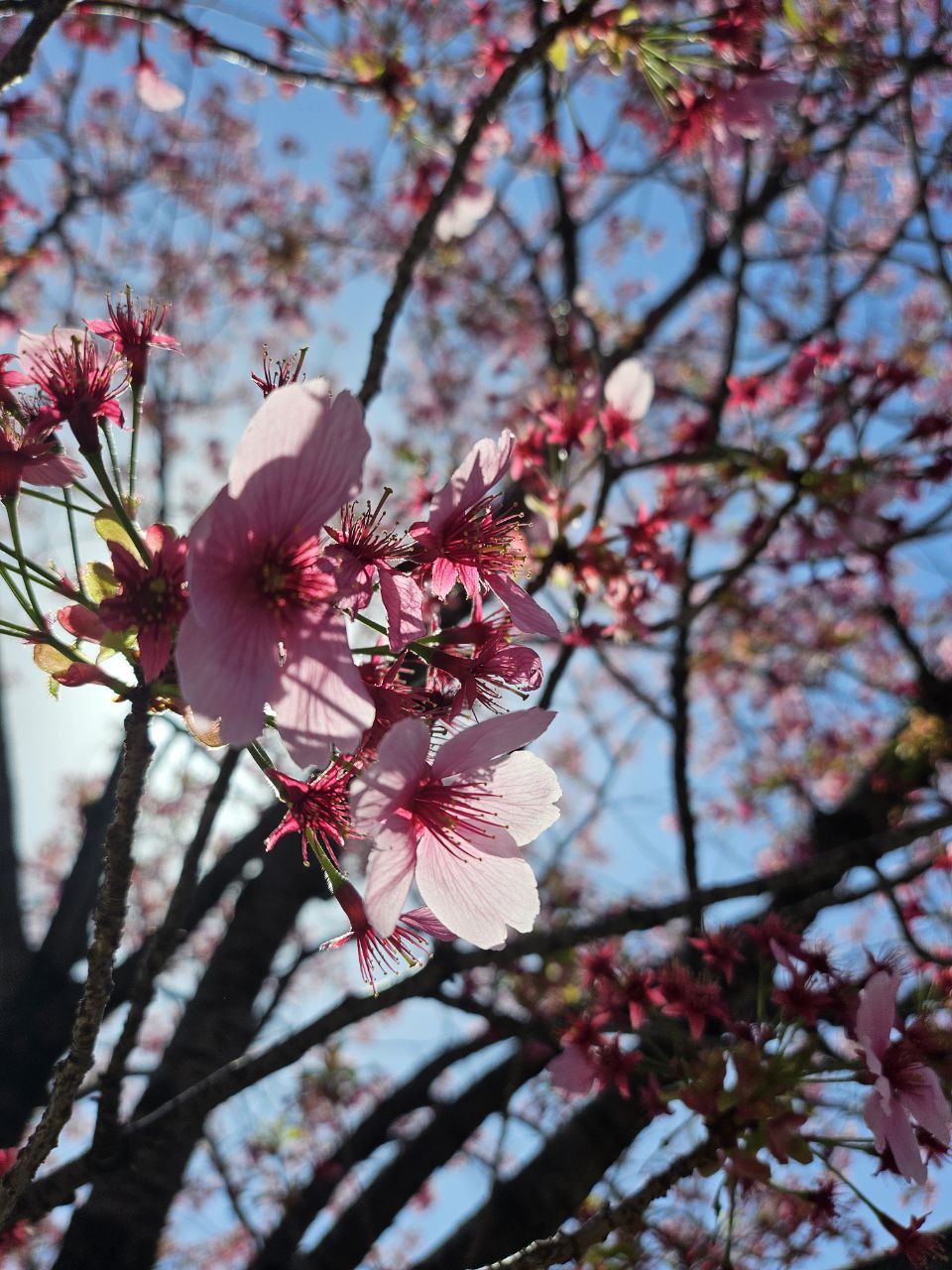
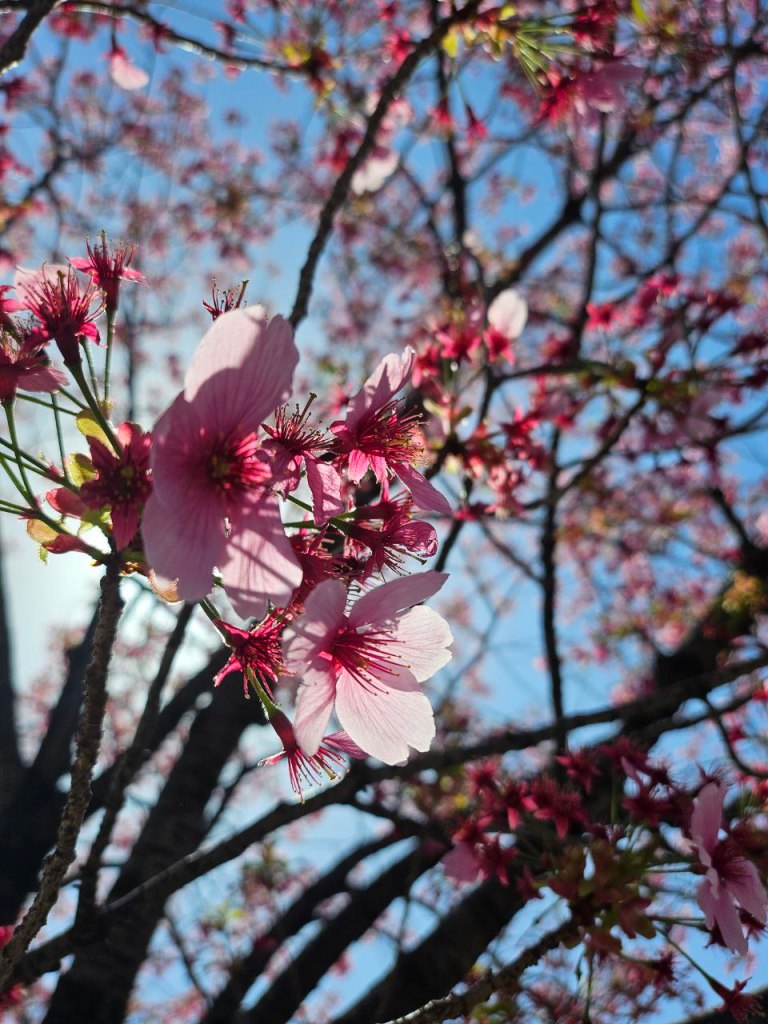
Having just returned from wistful beauty of cherry blossom trees and their falling petals in the spring wind, I totally relate to why hanami or cherry blossom viewing, is such a big thing in Japan. As much as I loved hanami myself, just revelling in the beauty of a single cherry blossom or appreciating the stately beauty of a tree in full bloom, I especially enjoyed observing how the Japanese did hanami. For these locals for whom spring blooms once a year, they were as appreciative about the cherry blossoms as I was. At a small neighbourhood park in Wakayama where blooming trees lined the perimeter, I observed friends, family and colleagues gathering for a picnic under those delicate pink trees. And it was beautiful.
On this special Saturday for Christians that symbolises the liminal space between death and despair, and resurrection and joy, I thought of these cherry blossoms again, as I mourned for the deep brokenness and suffering in various parts of the world. Recalling the desperate weeping of a brother or a mother for their dear one amidst the devastation of the Israeli bombings, once here but gone forever. The longsuffering and uncertainty of refugees in a foreign land, Afghans facing deportation from the US. The falling cherry blossoms seemed to me a picture of what this world is: a fleeting beauty that cannot be held, to be replaced by encroaching barrenness.
From a privileged standpoint, it can feel overwhelming to keep abreast of global news and yet there is some kind of guilt that I need to guard my boundaries in news consumption. Perhaps this was why I was touched by the narrative of what happened after Jesus died on the cross. (Stay with me, I’m coming back to the cherry blossoms soon)
“After these things, Joseph of Arimathea, who was a disciple of Jesus, but secretly for fear of the Jews, asked Pilate that he might take away the body of Jesus, and Pilate gave him permission. So he came and took away his body.” (John 19:38)
It struck me that I was very much like Joseph above- having the right beliefs but weak. And yet he garnered courage to do this act of love at that last point of death, when hopes were shattered. There is a sense that perhaps, Joseph felt in the depths of his heart that despite not publicly acknowledging Jesus, this was still one last act that he could do, and wanted to do, because Jesus is still who He said He was. It was an action that did not feel like it amounted to much at that time, but bore lasting significance through the ages, and if I daresay, was taken into account by my loving Father God.
Another ordinary person making a difference today is a man named Masatoshi Asari, who has devoted his life to sharing cherry blossoms with the world, particularly to make amends for Japan’s actions in the Second World War. Cherry blossoms as the main tool of his ‘Peace mission’ is really such a poetic and beautiful demonstration of swords into plowshares. What particularly inspired me was how he described himself: “I’m just a little man from a village in the middle of nowhere in Japan, so it’s hard to make a difference in the world.” Mr Asari, I feel the same. “But if my cherries can help spread some happiness and avoid war, then it’s all worthwhile, and I can sleep soundly.” If there is only one thing I can do as a small woman to bring some harmony in the world, let me do that wholeheartedly.
Sources:
 Social Working, Everything